

Symptoms include severe pain in the abdomen, usually on the right side, accompanied by vomiting, nausea, and sometimes fever. Other secondary symptoms may include bloating, gas, intolerance to fatty foods, bitterness in the mouth and headaches.
Common symptoms of gallstones include severe pain in the right side of the abdomen, but don't worry, these symptoms alone do not confirm the diagnosis. Let's cover the main signs and symptoms and treatment options. However, it is essential to remember that only a specialized doctor can correctly assess your situation and recommend the appropriate course of action. Below you can find more information on this subject.
Identifying severity
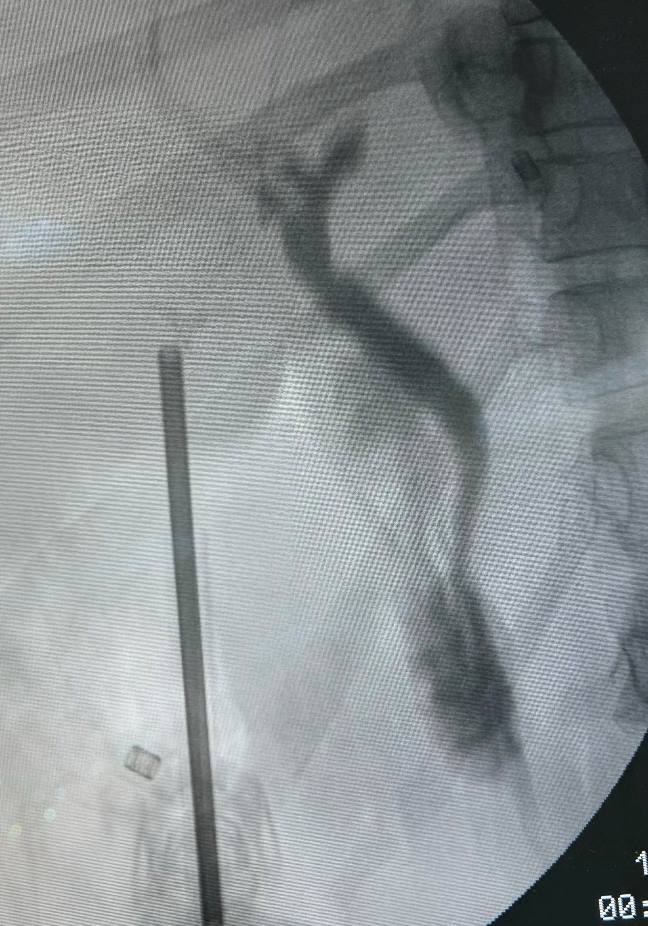
The diagnosis is made by a specialized doctor, who may order tests such as ultrasound or MRI. Depending on the results and symptoms, your doctor may recommend surgery.
Complications
Complications can include gallbladder inflammation (acute cholecystitis), acute pancreatitis, and even gallbladder cancer. These complications are more common in people with symptoms associated with gallstones.
Treatment options
Surgery to remove the gallbladder, called a cholecystectomy, is the most effective option. Currently, this surgery is performed minimally invasively, which facilitates recovery and reduces the risk of complications. However, other factors, such as the patient's age and health conditions, are also considered when deciding on treatment.
Causes and risk factors
Gallstones can form due to imbalances in bile components or gallbladder dysfunction during digestion. The main risk factors include female gender, age over 60, obesity, low-fiber or high-cholesterol diet, pregnancy, family history, diabetes, and certain medications.
Diagnosis and treatment
Diagnosis is usually made through abdominal ultrasound or other imaging tests. Treatment involves surgery to remove the gallbladder in people with symptoms attributable to gallstones. In asymptomatic cases, treatment may not be necessary, but this decision should be discussed with the attending physician.
|
|